What the road between our towns actually looks like, and a few small things that make the day easier.
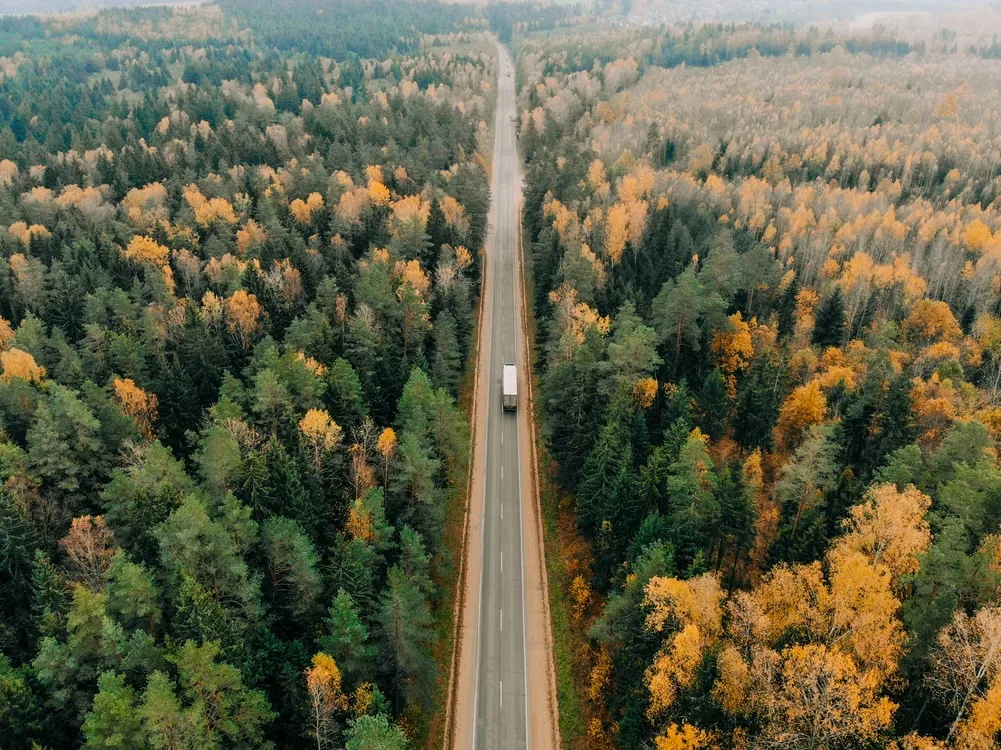
Most people judge a bus trip by the two numbers on the ticket: when it leaves and when it arrives. The hours in between get filed under "getting there". But on the roads our coaches run, those hours are some of the best views in East Africa, and you only get them from a seat at window height with nothing to do but look.
Nairobi to Kisumu: down the Rift and up into tea country
Leaving Nairobi towards Nakuru, the road climbs to the edge of the escarpment and the Great Rift Valley opens out below you, flat and enormous, with extinct volcanoes standing in it. Further on the road runs beside Lake Naivasha and through Nakuru. Beyond Nakuru it climbs into the highlands, past forest and the tidy green rows of tea estates, before dropping towards Lake Victoria at Kisumu. Take this one by day and sit on whichever side faces the valley as you leave the city.
Kampala, Jinja and the road to the border
East of Kampala the road to Jinja passes through sugar and tea country and ends close to where the Nile begins its journey north out of Lake Victoria. Many passengers get off at Jinja just for that. Continuing east, Busia is where Uganda ends and Kenya begins, and the border town is a lively place to stretch your legs while the paperwork is done.
Heading south-west from Kampala to Mbarara the road crosses the equator, and further on the hills around Kabale and Kisoro fold into terraces so steep they look stitched on to the slopes. On a clear morning the volcanoes near Kisoro stand up against the sky.
Tanzania and Burundi: baobabs, mountains and a very big lake
Between Dar es Salaam and Dodoma the coastal green gives way to mountains near Morogoro and then to dry, open plateau dotted with baobab trees. Arusha sits under Mount Meru, and on a clear day the peak is the first thing you see as you come in from Nairobi through Maasai country. In Burundi, Bujumbura lies on the shore of Lake Tanganyika, with hills rising straight behind the city.
Small things that make the day easier
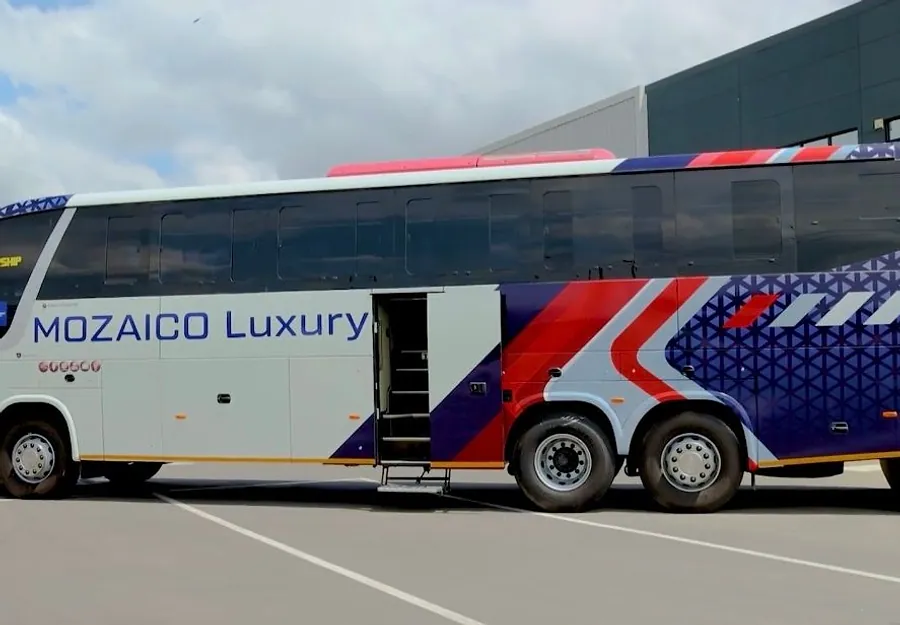
Charge your phone before you board and use the USB socket at your seat for the rest. Every coach has free Wi-Fi, but signal drops in the hills and on border stretches, so download your music, podcasts or a film first.
Carry a light jacket. Air conditioning keeps the coach cool in the heat of the day, and nights on the highlands are cold. Keep a bottle of water, a snack and your ID or passport within reach rather than in the luggage hold, and keep your phone for photographs, because the best ones come when you are not expecting them.
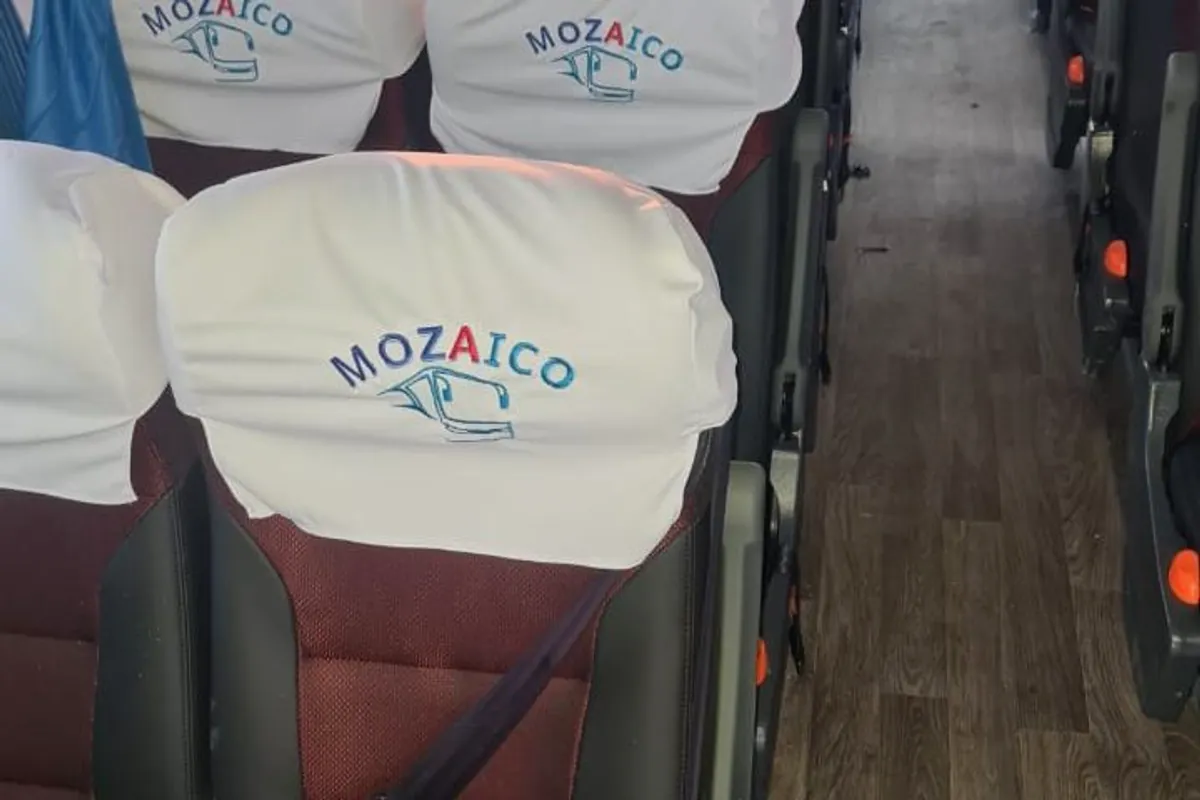
Choose your seat when you book. The seat map shows every seat, so you can pick a window for the view or an aisle for easy legroom. Be at the boarding point 30 minutes before departure, and the journey starts calmly instead of with a run.
Next time you book, choose a day route and watch the road. The destination will still be there when you arrive.